 Preparing your journey
When is the best time to visit Kenya?
18Feb
When is the best time to visit Kenya?
There is no single best month to visit Kenya. There is only the month that best matches what you want from the journey — dense wildlife concentrations, empty parks, newborn animals, lower rates or reliable beach weather. Below is how each part of the year actually behaves, so you can choose with your eyes open.
January to March: hot, dry and excellent for wildlife
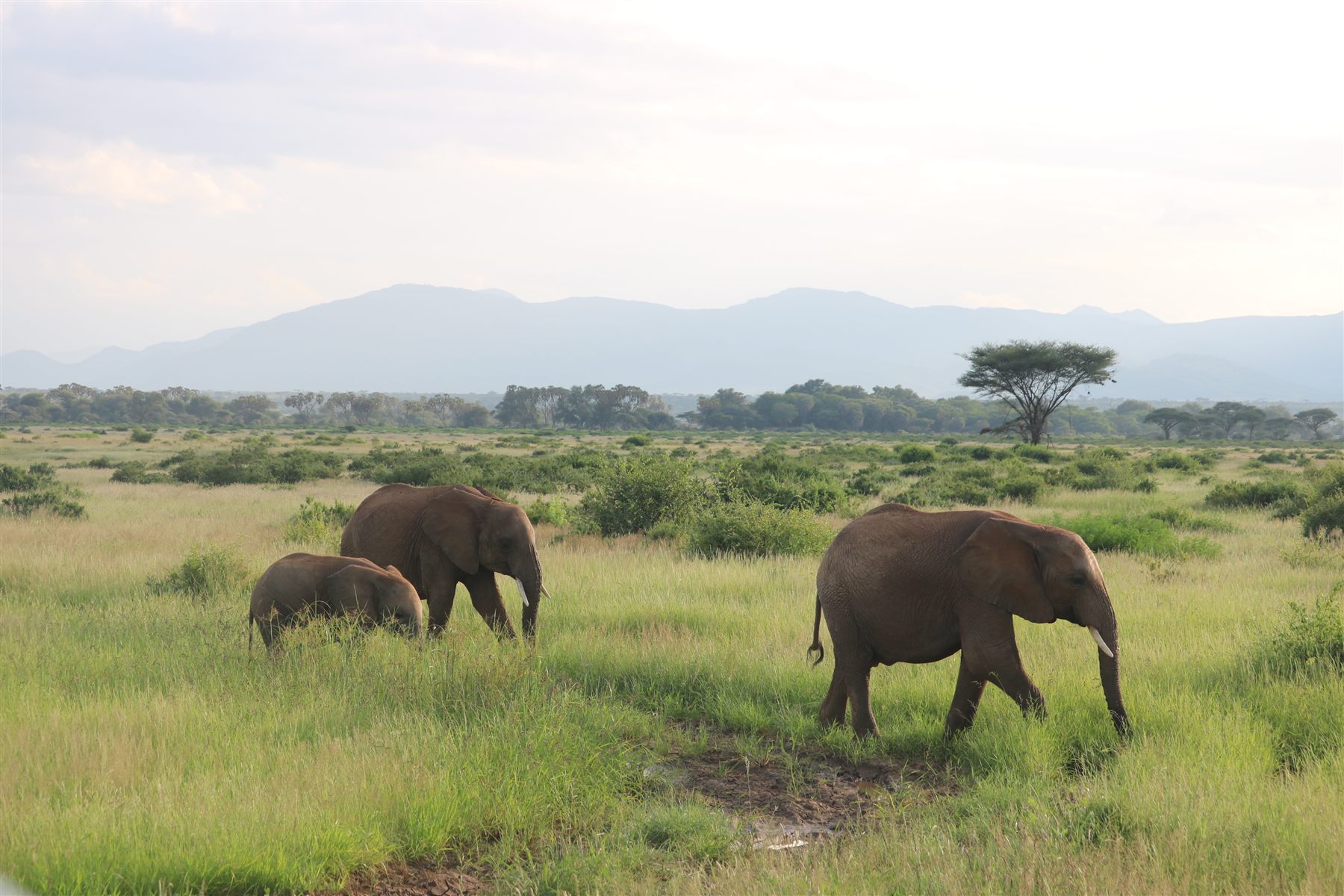
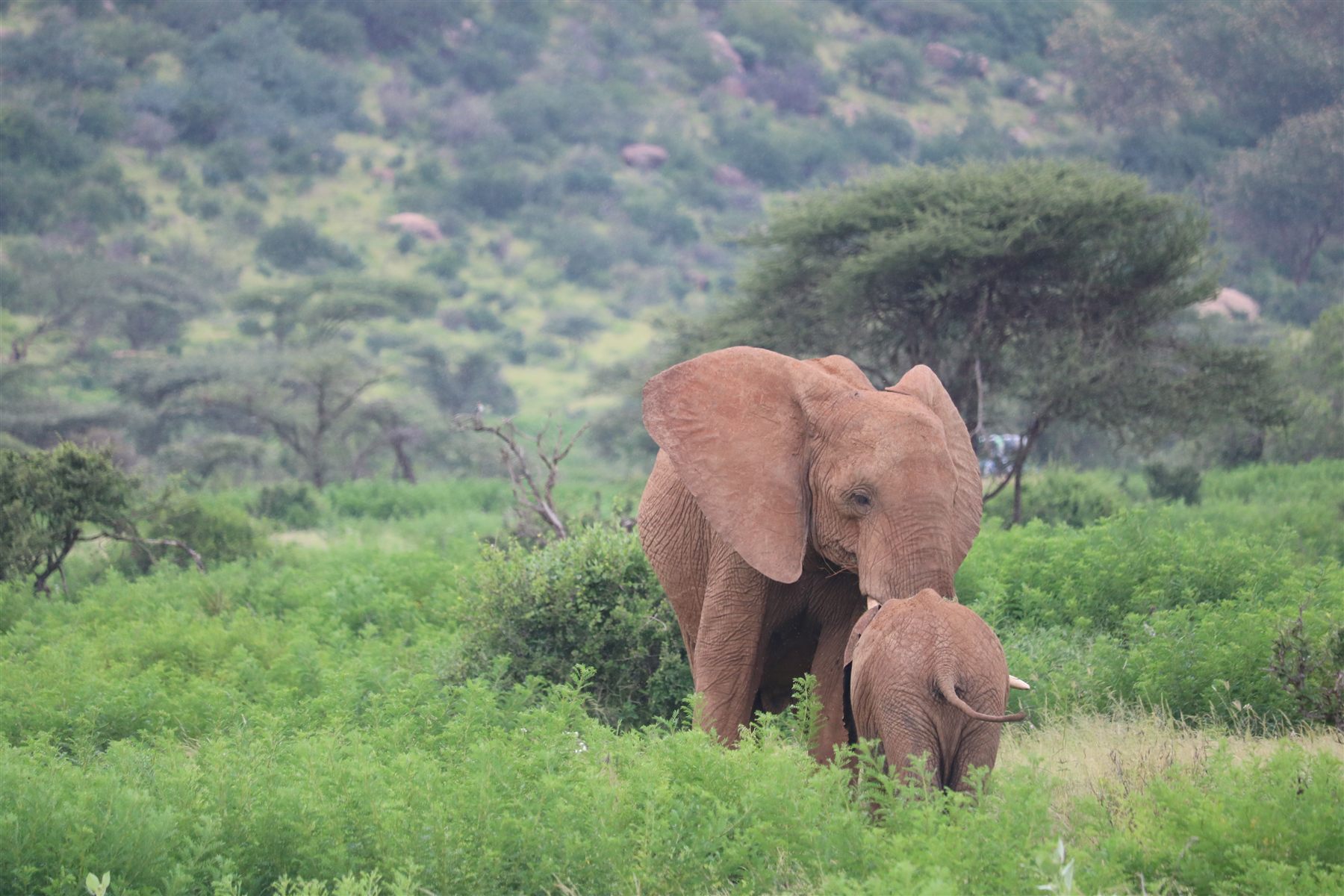
These are some of the most comfortable months to be on safari. The long rains have not yet arrived, vegetation is low, and animals gather around the remaining water. Amboseli is at its best for elephants beneath Kilimanjaro, and the chance of clear mountain views is highest early in the morning.
It is warm, particularly in Tsavo and Samburu, and the light is strong and clean for photography. Parks are busier than in the green season but quieter than the July peak.
April and May: the long rains and the green season
The long rains bring afternoon storms rather than all-day downpours, but roads soften, some smaller camps close, and game viewing takes more patience because animals disperse across a landscape full of water.
What you get in return is real: emerald country, dramatic skies, far fewer vehicles and noticeably lower rates. For photographers and repeat visitors who have already seen the classics, this can be the most rewarding time of year.
If it is your first safari and you have only a week, we usually steer you away from the long rains. If it is your third, the green season is often where we send you.
June to October: the dry season and the migration
This is the classic safari window. The land dries out, grass shortens, and wildlife becomes easier to find across every park in the country.
Wildebeest and zebra typically move into the Maasai Mara from the Serengeti somewhere between July and October, and the Mara River crossings happen within that window. It is worth being honest about this: the migration follows rainfall, not a timetable. Crossings cannot be booked, and a herd may spend three days at the riverbank before moving. What we can do is place you in the right area for enough nights that your chances are good.
July to September is also the busiest and most expensive part of the year. Camps in the Mara sell out ten to twelve months ahead, and conservancies bordering the reserve become a valuable alternative because vehicle numbers there are capped.
November and December: short rains and superb birding
The short rains are lighter and more scattered than the long rains, often clearing by late morning. Migratory birds arrive from Europe and Asia from around November, and the country turns green again without the disruption of April.
Early December is one of the best-value windows of the year. From roughly the third week of December, festive rates and demand rise sharply.
What about the coast?
The Kenyan coast follows its own rhythm. December to March is hot, clear and reliably dry, which makes it the classic safari-and-beach combination. June to October is cooler and breezier, and still very pleasant. April and May are the wettest months, and several coastal properties close entirely.
So which month should you choose?
- Choose **January to February** for warm, dry, first-time safari conditions and strong Amboseli elephant viewing.
- Choose **July to October** for the Maasai Mara migration season, accepting higher rates and earlier booking.
- Choose **June or November** for a balance of good wildlife, softer rates and thinner crowds.
- Choose **April or May** if you value solitude, green landscapes and value over guaranteed sightings.
If you tell us the weeks you can travel, we will tell you honestly what those weeks look like on the ground, and where in Kenya they are best spent.
Ready when you are
Plan my safari Turn this into your own journey
Our East African specialists plan every safari privately, around your dates, pace and budget.