 Preparing your journey
Why northern Kenya belongs on your itinerary
17Jun
Why northern Kenya belongs on your itinerary
Ask most visitors to name a Kenyan safari and they will say the Maasai Mara. The country north of Mount Kenya is a different landscape entirely — drier, more mountainous, more open — and it holds species you will not see in the south at all.
Wildlife you cannot see further south
Northern Kenya's arid country supports a distinct set of animals, often called the Samburu Special Five:
- **Grevy's zebra**, narrower-striped and larger than the common zebra, and endangered.
- **Reticulated giraffe**, with sharply defined polygonal markings.
- **Beisa oryx**, built for heat and long periods without water.
- **Gerenuk**, a long-necked antelope that browses standing upright on its hind legs.
- **Somali ostrich**, with blue-grey legs and neck.
Elephant, lion, leopard, cheetah and wild dog are all present too, but it is the northern specialists that make the region worth its own place in an itinerary rather than a day trip.
Landscape on a different scale
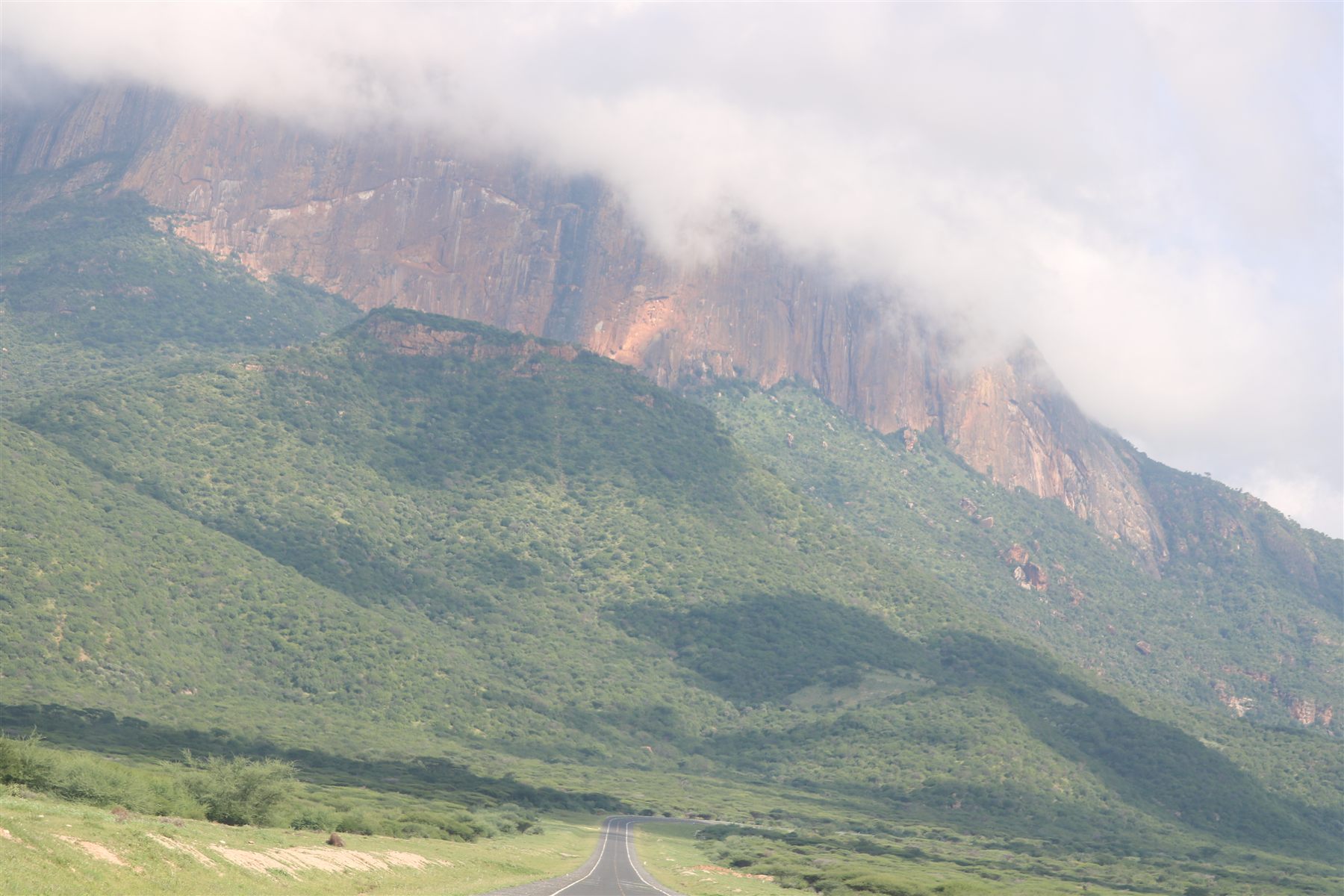
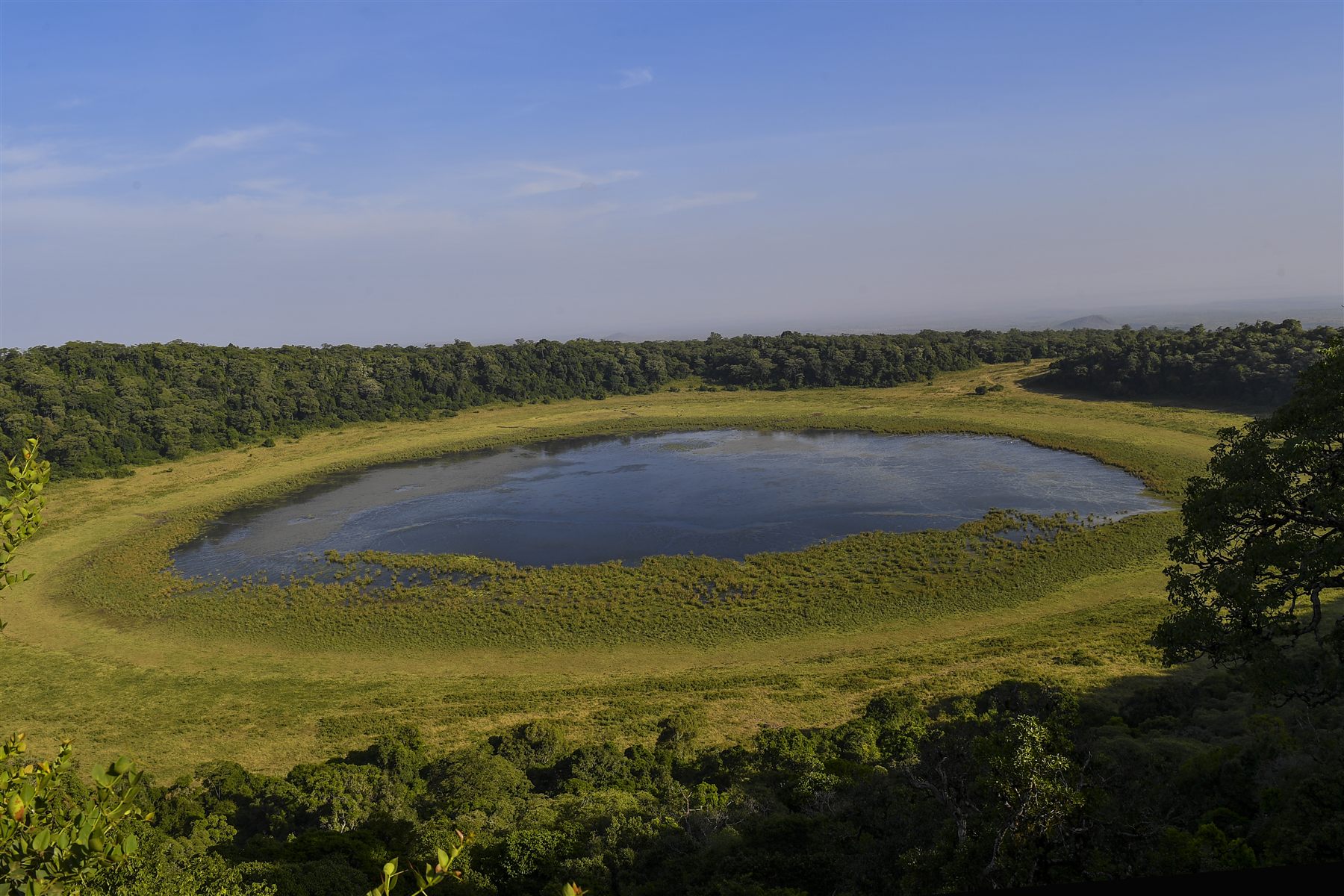
Samburu's doum palms line the Ewaso Nyiro river; beyond it the ground rises into the Mathews Range and the flat-topped massif of Ololokwe, a landmark visible for a great distance and sacred to the Samburu people. Laikipia, on the plateau between Mount Kenya and the northern deserts, is a mosaic of private ranches and conservancies with long views towards the mountain.
The practical effect of all this is that photographs from the north look nothing like photographs from the Mara.
Conservancies run by the communities who live there
Much of northern Kenya's wildlife lives outside national parks, on land held by community conservancies. Tourism revenue funds rangers, scholarships, water projects and human–wildlife conflict work, and the governance sits with the communities themselves.
For a visitor, this has a direct effect on the safari. Conservancies can permit activities that national parks generally cannot.
- Walking safaris with an armed guide and a Samburu tracker.
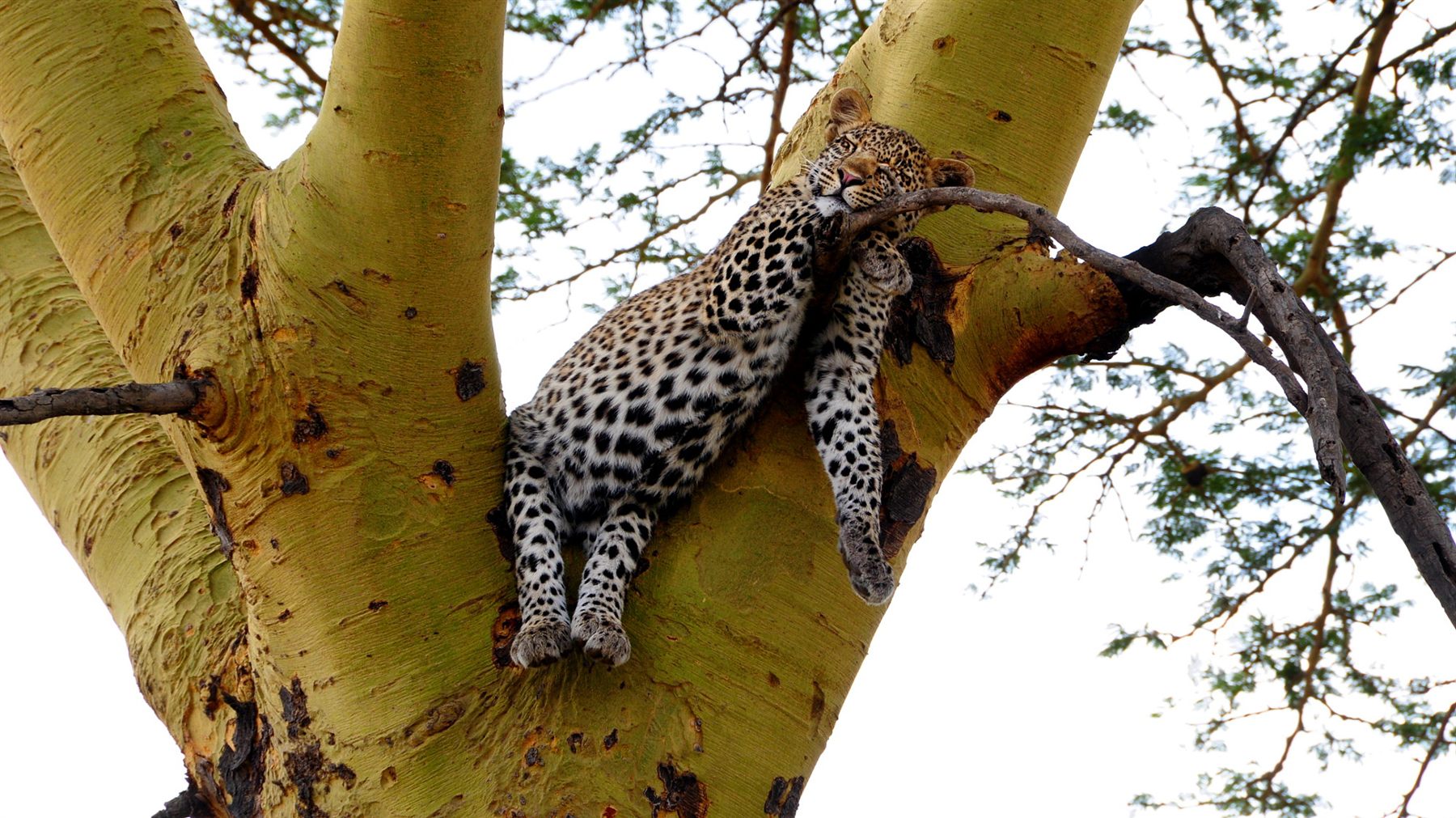
- Night drives, which open up the aardwolf, genets, porcupines and hunting cats.
- Camel-supported treks between fly camps.
- Fly camping under mosquito nets on a dry riverbed.
- Visits to singing wells, where herders sing to their cattle as they draw water.
The north is where guests who thought they had 'done' Kenya tend to change their minds.
How to fit it into a trip
The north pairs naturally with the classic south. A well-balanced two-week itinerary might run Samburu or Laikipia first, then the Maasai Mara, then the coast — flying between them to avoid long road days.
Three nights is the minimum we recommend in the north. Two nights leaves you arriving and departing without a full day in between.
When to go
June to October and January to March are the driest and most comfortable months, with wildlife concentrating around the river. The short rains in November and the long rains in April and May green the country and thin the visitors, though some camps close for part of that period and some tracks become difficult.
It is hot year-round. Early starts and a slow middle of the day are not a preference here; they are how the days are structured.
If your dates allow a longer trip, ask us about adding the north. It is the part of Kenya we most often wish guests had given more nights to.
Ready when you are
Plan my safari Turn this into your own journey
Our East African specialists plan every safari privately, around your dates, pace and budget.