 Preparing your journey
How to plan a private photographic safari
09Apr
How to plan a private photographic safari
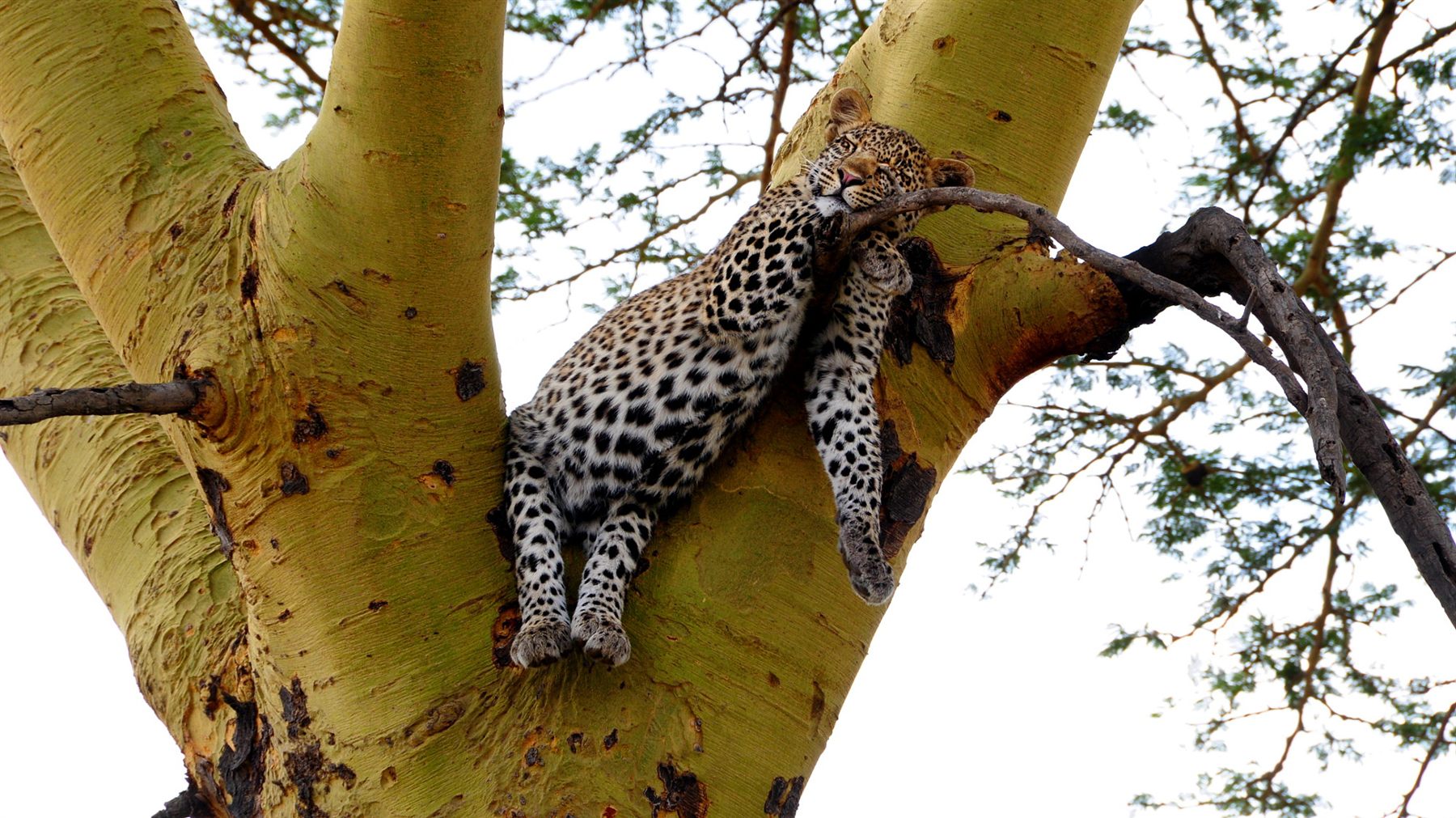
Guests often ask whether they need a specialist photographic safari or whether a normal safari will do. The honest answer is that it depends less on your equipment than on how you want to spend your days. If you are willing to sit with one leopard for two hours waiting for it to move into the light, your itinerary should be built differently.
Fewer places, more nights
The single biggest improvement you can make is to stop moving. Three nights in one area lets your guide learn which animals are where, which routes catch the morning light, and where a subject is likely to reappear. A week split across four parks gives you travel days instead of golden hours.
We usually suggest a minimum of three nights per location on a photographic trip, and four where a particular subject is the reason for going.
Take a private vehicle
On a shared game drive the vehicle leaves when the group is ready. On a private vehicle it leaves when you are, stays where you want, and positions for your angle rather than the average one.
- Ask for a row removed, or a vehicle booked for fewer guests, so you can shoot from both sides.
- Confirm there are beanbags or a clamp, not just a window frame.
- Check there is a reliable charging point, and bring more storage than you think you need.
Understand where you are allowed to drive
This matters more than most people realise. In Kenya's national parks and reserves, vehicles are generally required to stay on established tracks. In many private and community conservancies, off-road driving, night drives and walking are permitted under the conservancy's own rules.
For photography, that difference is enormous. Being able to reposition ten metres to put the sun behind a subject is often the whole photograph.
If low-angle, off-track and early or late light matter to you, we will weight your itinerary towards conservancies rather than the headline parks.
Work the light, not the checklist
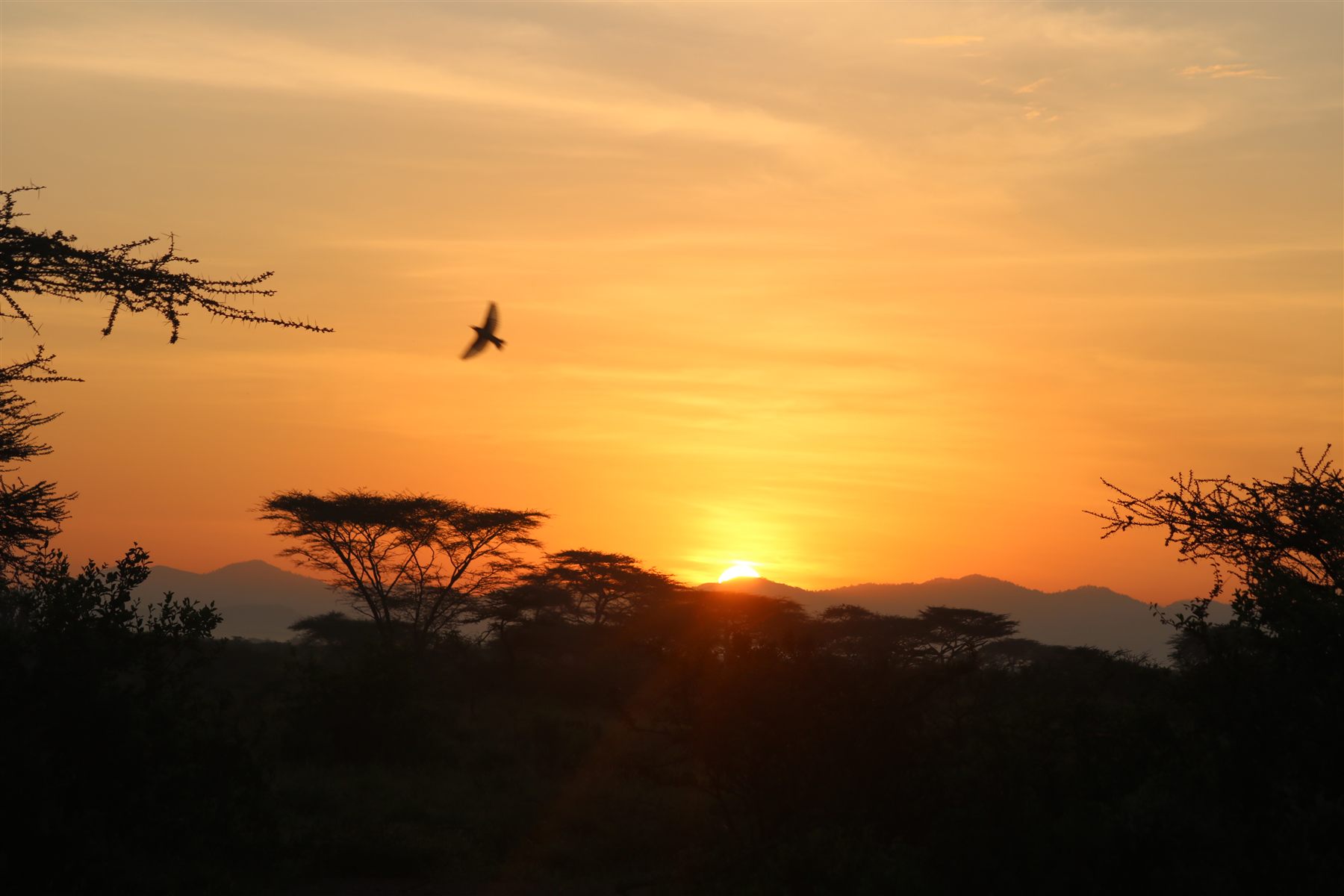
The best hours are the first ninety minutes after sunrise and the last ninety before sunset. That means being at the gate or out of camp before first light, and accepting a slow middle of the day.
A sensible photographic day looks like this:
- Coffee at 05:15, out before sunrise.
- Long morning drive, returning late for brunch.
- Middle of the day for backing up files, rest and reviewing.
- Out again by mid-afternoon, staying out until the light goes.
Tell your guide what you are trying to make
A guide who knows you want a backlit dust frame will drive to a different position than one who thinks you want a clear record shot. Be specific on the first morning: subject, angle, light, and how long you are willing to wait. The best guides in East Africa are extraordinary at this once they understand the brief.
A short, practical kit note
Dust is the enemy. Change lenses as little as possible, bring a second body if you can, and carry a proper blower and cloths. A beanbag beats a tripod in a vehicle every time. And bring more battery capacity than the camp's solar system might comfortably supply.
If photography is the reason for your trip, tell us that at the start. It changes the parks we suggest, the camps we book and the vehicle we arrange.
Ready when you are
Plan my safari Turn this into your own journey
Our East African specialists plan every safari privately, around your dates, pace and budget.